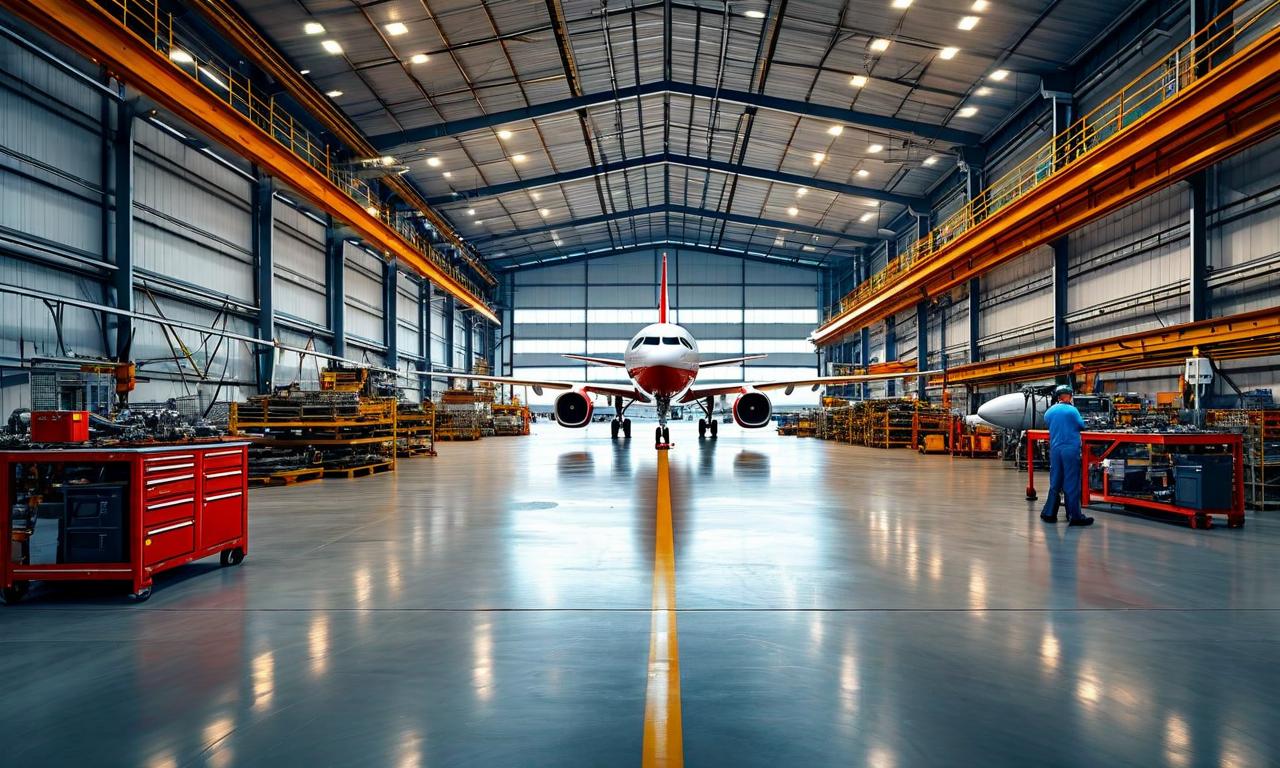
The landscape of Indian logistics is undergoing a transformative period, with the air cargo sector emerging as a critical growth engine. At the forefront of this dynamic expansion is Afcom Holdings, an international cargo airline that has recently announced a remarkable 26.48% year-on-year revenue surge. This impressive financial performance isn't just a testament to Afcom Holdings' strategic prowess but also a clear indicator of the robust demand characterizing India's burgeoning air freight market.
As businesses increasingly rely on speed, efficiency, and reliability for their supply chains, air cargo has become indispensable. For companies like Afcom Holdings, specializing in the timely transport of both general and specialized project cargo, this era presents unprecedented opportunities for expansion and market leadership. The company's recent achievements and forward-looking strategies paint a vivid picture of a firm poised to capitalize significantly on India's projected 6-7% CAGR growth in air cargo over the next five years.
Riding the Winds of Growth: Afcom Holdings' Impressive Revenue Surge
The spectacular 26.48% revenue increase reported by Afcom Holdings is more than just a number; it reflects deep-seated market forces driving India's economic ascent. This significant growth is directly attributable to the escalating demand within the air cargo sector, fueled by several key macroeconomic trends:
- E-commerce Boom: The exponential growth of online retail, particularly in Tier-2 and Tier-3 cities, necessitates swift and reliable delivery networks. Air cargo plays a pivotal role in connecting distant manufacturers with consumers, compressing delivery times and enhancing customer satisfaction.
- "Make in India" Initiative: The government's push to boost domestic manufacturing across sectors like electronics, automotive, and pharmaceuticals generates substantial demand for air freight, both for importing raw materials and exporting finished goods to global markets.
- Global Supply Chain Diversification: As global businesses seek to diversify their supply chains beyond traditional manufacturing hubs, India is emerging as an attractive alternative, leading to increased inbound and outbound air cargo traffic.
- Infrastructure Development: Ongoing enhancements in airport infrastructure, including dedicated cargo terminals and improved connectivity, provide the necessary backbone for air cargo operators to expand their services efficiently.
Against this backdrop, Afcom Holdings' revenue surge underscores its successful navigation of market opportunities. As a specialized international cargo airline, managing various types of aircraft for both passenger and goods transport, the company's ability to offer services from general cargo to intricate project cargo handling positions it uniquely to serve a diverse client base.
Strategic Expansion and Operational Excellence: Fueling Future Capacity
Despite the celebratory revenue figures, Afcom Holdings management remains keenly aware of the operational challenges inherent in rapid growth. A crucial area of focus is the need for additional aircraft to optimize capacity and enhance operational efficiency. This proactive stance is essential for an airline committed to sustained growth and improved service delivery.
The company's strategic expansion plans are laser-focused on targeting major cargo hubs across India, aiming to establish a robust network that can efficiently handle the increasing freight volumes. To achieve this, Afcom Holdings has already initiated steps towards bolstering its fleet. As of January 2025, the airline operates two leased Boeing 737-800BCF freighter aircraft, with more expected to follow. The introduction of these modern, fuel-efficient freighter aircraft is anticipated to significantly enhance operational capacity, allowing Afcom to serve more routes and higher volumes with greater reliability.
Furthermore, Afcom Holdings leverages the expertise of General Sales and Service Agents (GSSAs) to ensure a stable baseline revenue stream. GSSAs play a vital role in marketing cargo capacity, booking shipments, and managing ground operations, effectively extending the airline's reach and market presence without the overhead of direct investment in every location. This model allows Afcom to focus on its core aviation operations while benefiting from a broad commercial network.
The company's commitment to strategic fleet expansion and network development is critical for maintaining its competitive edge. To delve deeper into how Afcom Holdings plans to overcome these growth challenges, you might find valuable insights in our related article: Afcom Holdings' Strategic Expansion: Enhancing Capacity Amidst Growth Challenges.
Operational Efficiency: A Key Differentiator
For an air cargo operator, efficiency is paramount. Every minute saved in turnaround time, every kilogram optimized in load capacity, directly impacts profitability and customer satisfaction. Afcom Holdings' choice of Boeing 737-800BCF freighters, known for their reliability and capacity for short to medium-haul routes, reflects a strategic decision to build an efficient, adaptable fleet. This focus on modern aircraft not only reduces fuel consumption and operational costs but also enhances payload capabilities, allowing for more diverse cargo types and larger volumes.
Practical Tip for Businesses: When choosing an air cargo partner, always inquire about their fleet modernization plans, operational hubs, and network reach. A company like Afcom Holdings, investing in state-of-the-art aircraft and strategic hub development, is better equipped to offer dependable and scalable logistics solutions.
Navigating the Landscape: Challenges and Opportunities in India's Air Cargo Sector
While the market sentiment remains overwhelmingly positive for India's air cargo sector, growth never comes without its set of hurdles. Afcom Holdings, like any rapidly expanding enterprise, faces specific challenges that demand careful management and transparent resolution.
One critical area highlighted is concerns regarding tax discrepancies and employee cost management. Addressing these issues with transparency is vital for maintaining investor confidence and fostering a healthy corporate environment as the company navigates its ambitious growth trajectory. Effective financial governance, robust internal controls, and clear communication with stakeholders are essential for mitigating such risks.
Beyond internal challenges, the broader Indian air cargo sector also presents its own set of complexities:
- Infrastructure Bottlenecks: While improving, some airport cargo facilities may still face congestion, impacting turnaround times and efficiency.
- Fuel Price Volatility: Aviation fuel costs are a significant operational expense, and their unpredictable fluctuations can impact profitability.
- Regulatory Landscape: Navigating various permits, clearances, and international aviation regulations requires specialized expertise and continuous compliance.
- Competition: The sector, while growing, is also attracting new players, intensifying the need for differentiation and superior service.
Despite these challenges, the opportunities far outweigh the obstacles. India's vast geography, diverse manufacturing base, and burgeoning consumer market create an insatiable demand for rapid logistics solutions. Afcom Holdings, established in 2013 by Captain Deepak Parasuraman, and having received its Air Operator's Certificate from the Directorate General of Civil Aviation in December 2024, is uniquely positioned as a pure-play cargo airline based out of Chennai. This dedicated focus allows it to tailor services precisely to cargo needs, unlike airlines primarily focused on passenger operations.
The company's journey from its initial clearance by the Ministry of Civil Aviation in 2017 to its IPO listing on the Bombay Stock Exchange in August 2024, and finally to commencing scheduled operations in early 2025, showcases a deliberate and well-executed strategic plan. For a deeper understanding of this journey, consider reading Afcom Holdings: From IPO to Scheduled Flights – Charting India's Cargo Future.
Afcom Holdings: A Vision for India's Logistics Future
Captain Deepak Parasuraman's vision for Afcom Holdings, rooted in its establishment in 2013, is now visibly materializing into a significant force within India's logistics ecosystem. By obtaining the Air Operator's Certificate in December 2024 and landing its first aircraft at Chennai International Airport shortly thereafter, Afcom has officially transitioned from a promising venture to an operational airline. With scheduled operations commencing in early 2025, the company is set to make a tangible impact on freight movement across the nation and internationally.
The positive market sentiment surrounding Afcom Holdings is not just speculative; it's grounded in proactive operational strategies and a clear understanding of market needs. By focusing on critical aspects such as fleet expansion, strategic hub development, and robust service offerings, Afcom is not merely reacting to market demand but actively shaping its future.
The Road Ahead: Innovation and Impact
Looking forward, Afcom Holdings has the potential to become a pivotal player in India's aspiration to become a global logistics hub. Future opportunities for the company could include:
- Specialized Cargo Dominance: Expanding capabilities in niche segments like pharmaceuticals (cold chain logistics), perishables, and oversized industrial equipment.
- Technology Integration: Implementing advanced cargo management systems, real-time tracking, and AI-driven predictive analytics to further optimize operations and provide enhanced transparency to clients.
- Network Deepening: Developing more direct international routes to key trade partners, reducing transit times, and enhancing India's global trade connectivity.
Actionable Advice: Businesses engaged in international trade or domestic e-commerce should closely monitor the expansion of dedicated cargo airlines like Afcom Holdings. Their specialized services can offer significant advantages in terms of speed, reliability, and cost-effectiveness compared to traditional passenger airline belly cargo services.
Conclusion
The 26.48% revenue surge reported by Afcom Holdings stands as a powerful testament to its strategic acumen and the booming potential of India's air cargo market. As the country's economy continues its upward trajectory, driven by e-commerce and manufacturing growth, the demand for efficient and reliable air freight services will only intensify. Afcom Holdings, with its proactive approach to fleet expansion, strategic focus on major cargo hubs, and commitment to operational excellence, is exceptionally well-positioned to capitalize on these emerging opportunities. Despite the need for diligent management of internal challenges, the company's strong foundation, experienced leadership, and clear vision signal a promising future, making it a key player to watch in India's evolving logistics landscape.